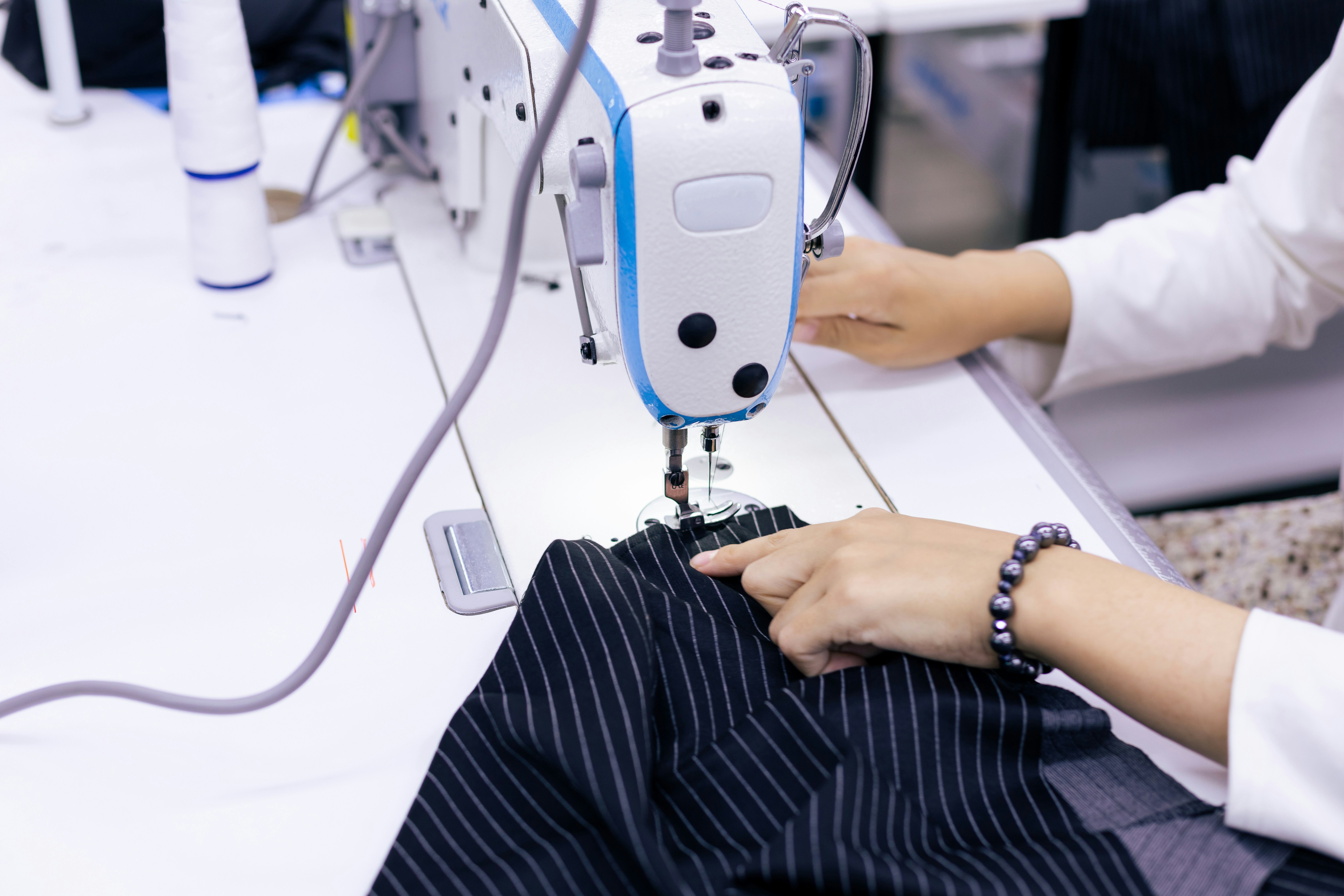
What Is Premium Fabric Engineering?
Understanding Fabric Engineering
Fabric engineering is the process of designing and improving textiles through science and technology. It combines textile engineering, material science, and fibre development to create fabrics with specific qualities. Instead of focusing only on appearance, manufacturers develop materials that deliver better comfort, strength, and performance.
Modern fabric engineering also allows designers to solve common problems. Fabrics can be made softer, lighter, more breathable, or more resistant to everyday wear. This gives consumers clothing that performs well while still looking stylish.
How Engineered Fabrics Differ From Conventional Textiles
Traditional fabrics often rely on standard production methods. Premium engineered fabrics are developed using advanced textile manufacturing techniques that improve quality at every stage. These materials are carefully tested for durability, flexibility, colour retention, and long-term performance.
Many engineered fabrics also include performance features such as moisture management, wrinkle resistance, stretch recovery, and improved breathability. Precision manufacturing helps maintain consistent quality from one garment to the next.
Why Modern Fashion Depends on Textile Innovation
Fashion has changed because consumer expectations have changed. People want clothing that looks good, feels comfortable, and performs well throughout the day. Premium apparel is now expected to support active lifestyles while maintaining its appearance after repeated use.
Continuous fashion innovation and advances in fibre technology allow brands to meet these expectations. As textile engineering continues to evolve, premium fabrics are helping shape a new generation of clothing that combines style, functionality, durability, and long-term value.
How Advanced Fibre Technology Improves Clothing Performance
Enhanced Durability
One of the biggest benefits of advanced fibre technology is durability. Stronger fibres help clothing resist everyday wear and keep garments looking new for longer. Premium fabrics are also designed to hold their shape after repeated washing, reducing stretching and sagging. Better abrasion resistance means the material is less likely to show signs of damage from regular use.
Improved Comfort
Comfort is another reason many people choose premium fabrics. Modern breathable textiles allow air to move more freely, helping the body stay cool throughout the day. Many performance fabrics also use moisture-wicking fabrics that move sweat away from the skin, creating a drier and more comfortable feel. Soft-touch finishes add another layer of comfort without making the fabric heavy.
Better Stretch and Recovery
Today's clothing needs to move with the body. Advanced elastic fibres provide greater flexibility while helping garments return to their original shape after stretching. This improves freedom of movement and allows clothing to maintain a better fit over time.
Temperature Regulation
Modern fabric engineering also improves thermal regulation. Lightweight construction and climate-adaptive materials help clothing stay comfortable in different weather conditions. Whether the environment is warm or cool, engineered fabrics help create a more balanced wearing experience.
The Role of Fabric Engineering in Modern Fashion Design
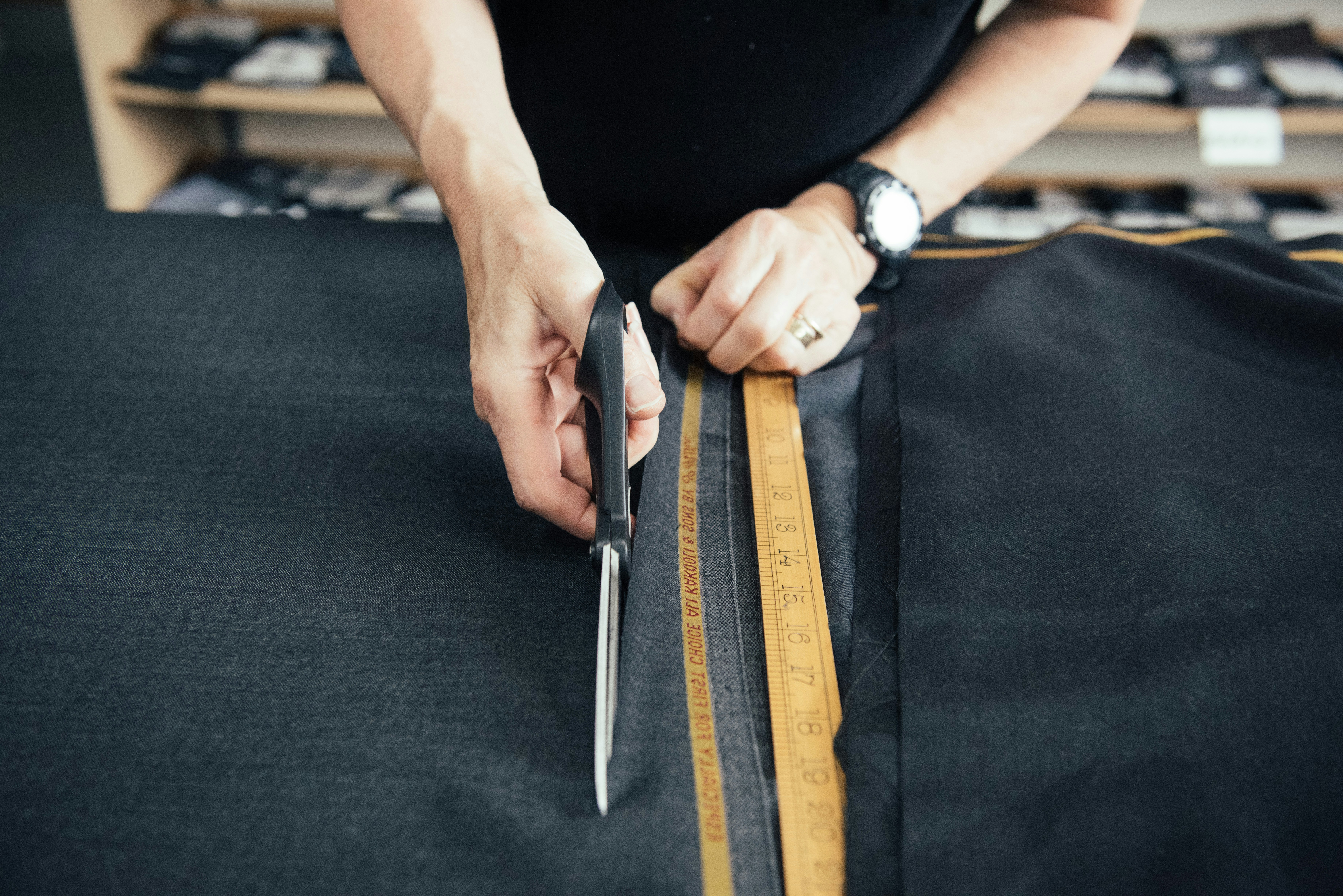
Supporting Creative Garment Construction
Fabric engineering gives designers more freedom to create innovative clothing. Advanced materials support precision cutting, structured silhouettes, and flexible designs that would be difficult to achieve with conventional textiles. This allows fashion brands to combine creativity with reliable performance.
Improving Garment Longevity
Premium fabrics are designed to last. Better colour retention, wrinkle resistance, and stronger fibres help garments maintain their appearance after repeated wear and washing. Improved garment construction also reduces fabric wear, making clothing a better long-term investment.
Balancing Style and Function
Modern consumers no longer want to choose between style and comfort. Today's fashion combines attractive designs with practical performance. Whether it is everyday wear, luxury fashion, or performance apparel, engineered fabrics help clothing look refined while remaining comfortable and durable.
Engineering Fabrics for Specialized Clothing
Advanced textile engineering has also transformed specialised clothing categories. Manufacturers now develop fabrics for premium intimate apparel that combine comfort, support, breathability, durability, and refined aesthetics in a single garment. Through innovations in apparel manufacturing and technical textiles, brands can create products that feel lightweight, provide lasting performance, and meet the specific needs of different lifestyles without sacrificing design quality.
Sustainability Is Driving Textile Innovation
Eco-Friendly Fibre Development
Sustainability is becoming a major focus in the fashion industry. Many brands now use organic cotton, recycled polyester, and other renewable materials to create fabrics with a lower environmental impact. These fibres help reduce the use of new raw materials while giving consumers more sustainable choices.
Environmentally Responsible Manufacturing
Fabric innovation is not only about better materials. It also includes smarter production methods. Many textile manufacturers are improving water conservation, increasing energy efficiency, and reducing waste during manufacturing. These changes help lower environmental impact while maintaining high product quality.
Circular Fashion Principles
The idea of a circular economy is changing how clothing is designed. More brands are creating recyclable textiles that last longer and can stay in use for more years. Longer product life supports responsible consumption and reduces unnecessary textile waste.
Meeting Consumer Expectations
Today's shoppers want more than stylish clothing. They also want brands that care about environmental sustainability and ethical production. As sustainable fashion continues to grow, companies that invest in responsible manufacturing and transparent business practices are earning greater consumer trust around the world.
Emerging Technologies Shaping the Future of Fashion Textiles
Smart Fabric Technologies
The next generation of clothing is becoming more intelligent. Smart textiles now include sensor-enabled fabrics and adaptive materials that respond to movement, temperature, or changing conditions. These innovations are expanding the possibilities of wearable technology in both fashion and performance apparel.
Digital Textile Manufacturing
Digital manufacturing is making fabric production faster and more accurate. Precision production systems, automated quality control, and advanced machinery help manufacturers improve consistency while reducing material waste and production errors.
Nanotechnology in Textiles
Nanotechnology is helping fabrics perform better without changing their appearance. Protective coatings improve durability, increase stain resistance, and make garments easier to care for. These improvements help clothing stay in better condition for longer.
Artificial Intelligence in Fabric Development
Artificial intelligence is transforming how new fabrics are developed. AI helps manufacturers test materials, analyse performance, and identify ways to improve comfort, durability, and functionality. By combining advanced technology with product innovation, fashion brands can develop higher-quality textiles that meet changing consumer needs more efficiently.
How Consumers Can Identify High-Quality Engineered Fabrics
Evaluate Fabric Composition
Start by reading the product label. Check the fibre content, material blends, and any performance features listed by the manufacturer. This information helps you understand how the fabric is designed to perform and whether it suits your needs.
Examine Construction Quality
A well-made garment usually shows its quality through careful construction. Look at the stitching, finishing, and seam durability. Clean stitching and strong seams are good signs that the clothing has been produced to a high standard and is built to last.
Research Brand Transparency
Trustworthy brands openly share information about their manufacturing standards, textile certification, and sustainability efforts. Taking a few minutes to research these details can help you understand how the product is made and whether the company follows responsible practices. To learn what else builds confidence in global fashion labels beyond fabric quality, read What Factors Influence Consumer Trust in International Fashion Brands?.
Compare Long-Term Value
Price is important, but long-term value matters even more. Consider the fabric's durability, comfort, and expected lifespan instead of focusing only on the initial cost. Clothing that lasts longer often provides better value over time.
Choosing Better Fabrics for the Future
Premium fabric engineering is changing the fashion industry through continuous innovation, advanced fibre technology, and more sustainable manufacturing practices. Modern engineered textiles offer greater comfort, durability, functionality, and environmental benefits than many conventional fabrics. By understanding these improvements and researching products carefully, consumers can make smarter buying decisions while supporting brands that continue to drive innovation across global fashion.
Frequently Asked Questions
What is premium fabric engineering?
Premium fabric engineering is the process of developing advanced textiles that improve comfort, durability, performance, and sustainability through modern materials and manufacturing techniques.
How do engineered fabrics improve clothing performance?
They enhance breathability, moisture management, stretch, durability, temperature regulation, and overall comfort, making clothing more suitable for everyday wear and active lifestyles.
Why are premium textiles more durable than conventional fabrics?
They are produced using stronger fibres, improved construction methods, and strict quality control, helping garments keep their shape, colour, and performance over time.
How does textile engineering support sustainable fashion?
It encourages the use of eco-friendly materials, responsible manufacturing, waste reduction, and longer-lasting products that support more sustainable consumption.
What technologies are shaping the future of fabric manufacturing?
Smart textiles, artificial intelligence, nanotechnology, wearable technology, and digital manufacturing are driving the next generation of fabric innovation.
How can consumers identify high-quality engineered fabrics?
Check the fabric composition, examine garment construction, research the brand's transparency, and compare the product's long-term value instead of focusing only on price.
Why is fabric innovation important in modern fashion?
Fabric innovation helps create clothing that is more comfortable, durable, functional, and environmentally responsible while meeting the changing needs of today's consumers.